BS5837 Tree Reports and Tree Surveys in Shottermill
A request for tree information can arrive at any point in the planning process. The important thing is to establish what the project has already done, what the authority is asking for now and which drawings are current. From there the next step is usually straightforward.
Send the current proposal and the exact Waverley wording. We can then tell you whether you need the survey/constraints stage, an AIA against the live layout, or construction-stage AMS/TPP information. The scope can therefore remain proportionate to the current stage rather than commissioning later-stage documents prematurely.
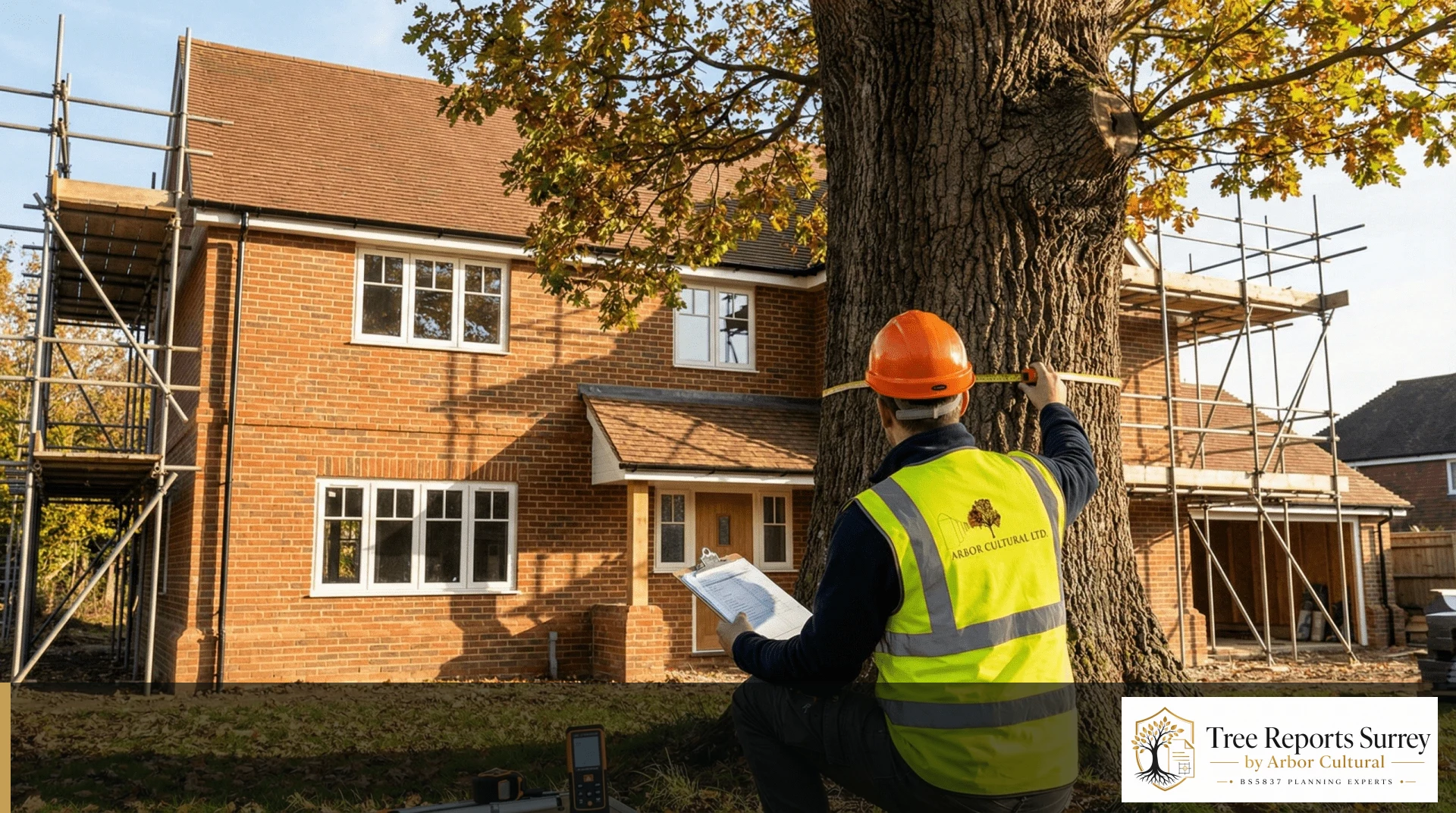
A drive or access can cause the tree problem even when the building is nowhere near the RPA. Excavation, level changes, compaction and site traffic all count, so we look at them as part of the actual scheme.
Already have a tree survey for the Shottermill site? Send it. We can first check whether the information remains suitable for the live design. If it does, there may be no reason to repeat the entire survey just because the project has moved on.
At feasibility stage in Shottermill, the aim is to get enough reliable tree information to make the next design decision well. The detailed impact and construction documents can then follow when the project is ready for them.
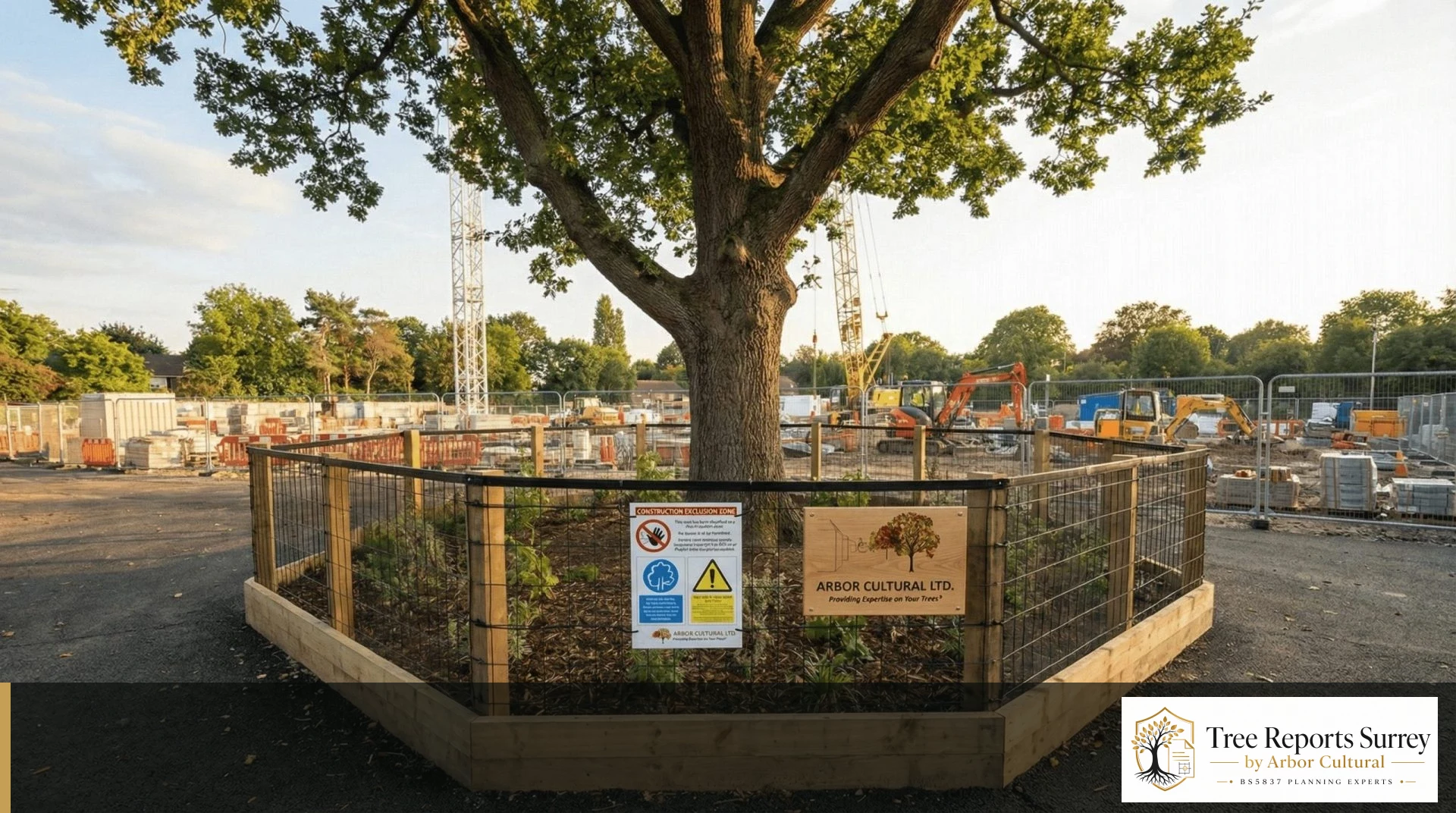
For a contractor taking over a Shottermill site, the arboricultural documents need to become practical site instructions. Fencing, ground protection, storage restrictions and supervised operations should be obvious before machinery arrives.
If the council has asked for tree information, send the exact wording.
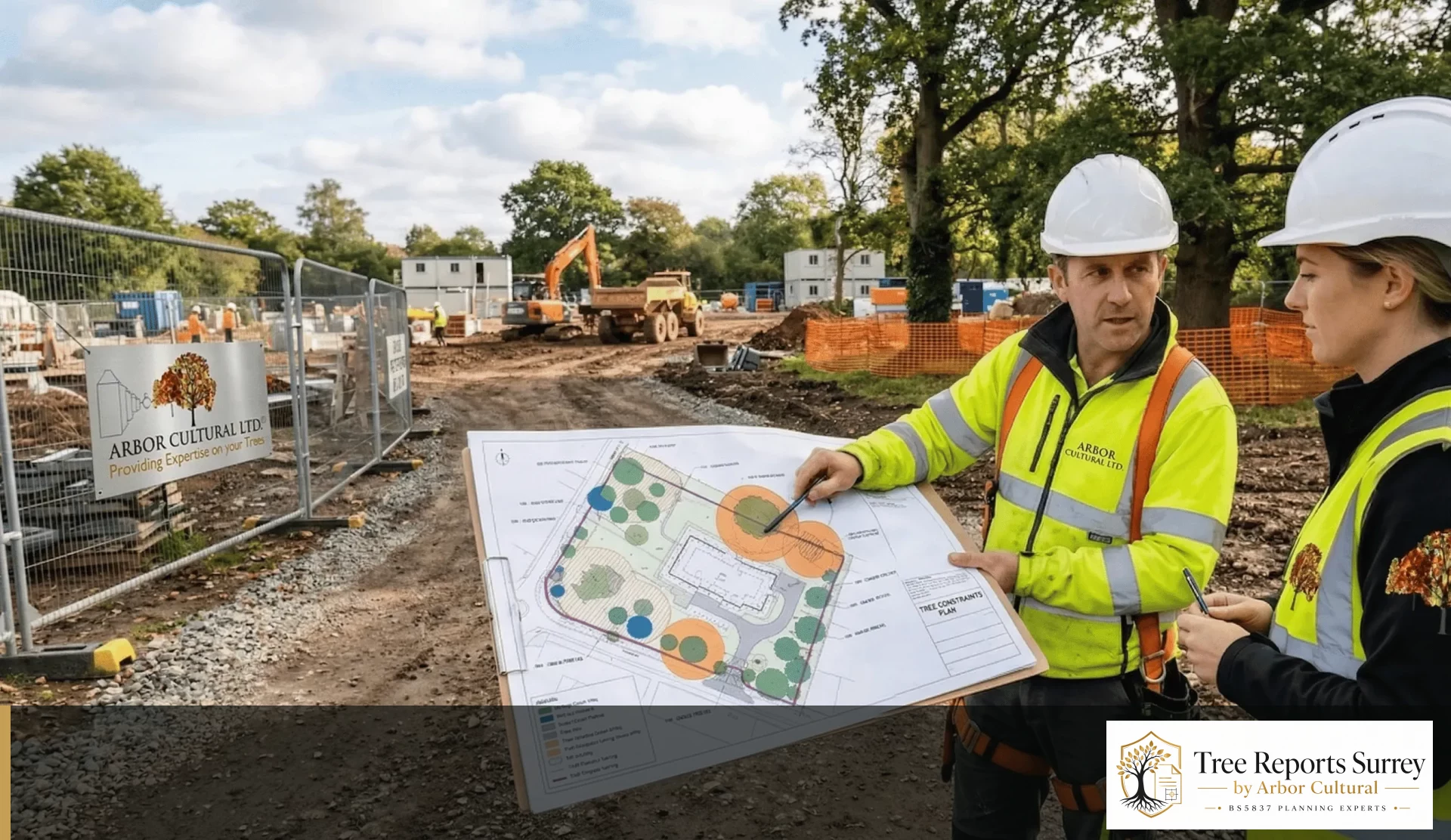
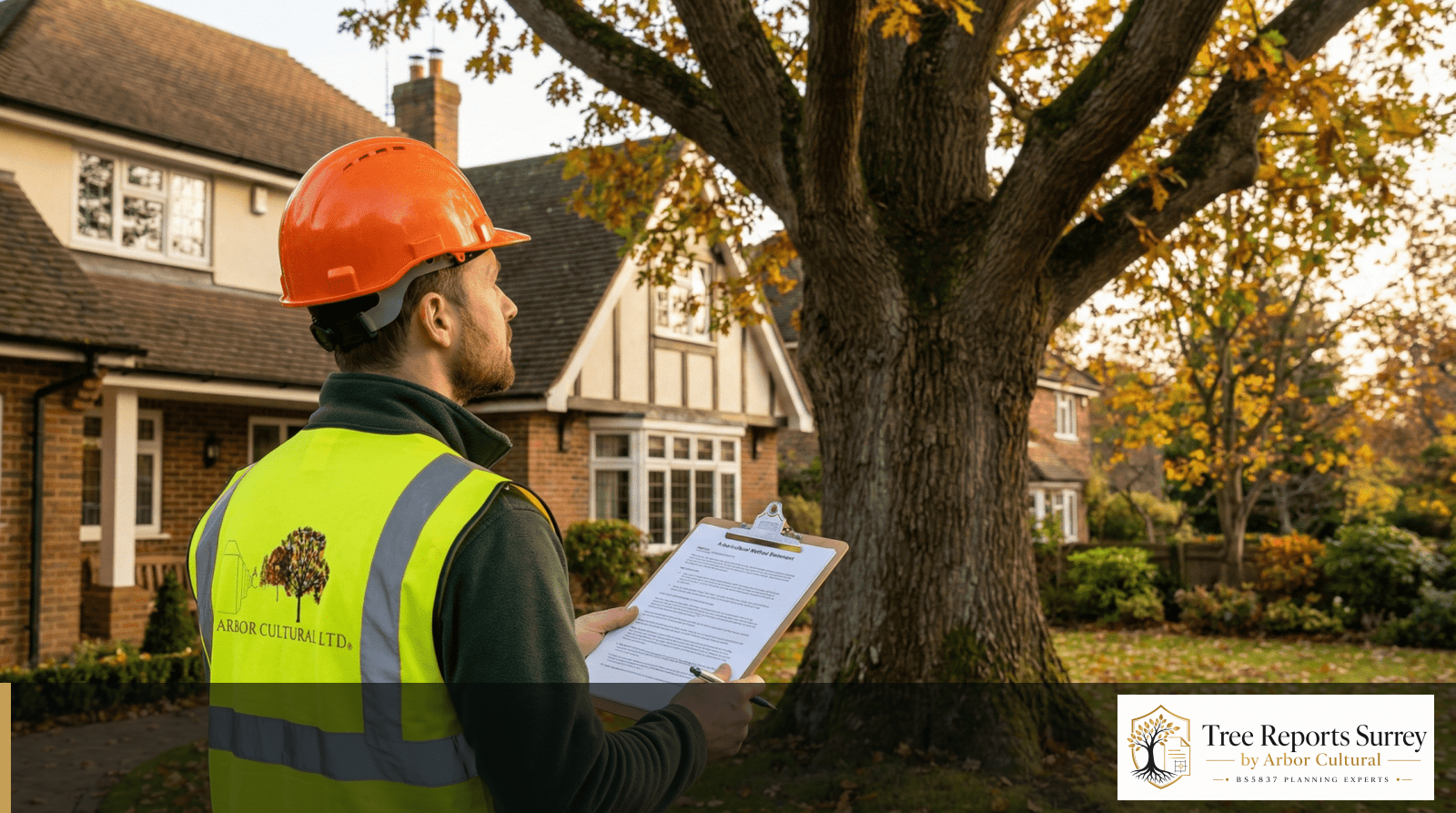
A request for a “tree report” does not always mean the same document. At the early design stage it may mean a BS5837 Tree Survey and Tree Constraints Plan. Once a planning layout exists, the missing piece may be an Arboricultural Impact Assessment. After permission, the authority may be asking for an Arboricultural Method Statement, Tree Protection Plan or supervision before work starts.
You do not need to make that decision yourself. Forward the email, validation request, tree-officer comment or planning condition and include the current drawings. We will review what is already available and explain the next useful step before you instruct.