BS5837 Tree Reports and Tree Surveys in Wray Common
A request for tree information can arrive at any point in the planning process. The important thing is to establish what the project has already done, what the authority is asking for now and which drawings are current. From there the next step is usually straightforward.
Send the current design and the wording you have been given. We can focus on the bit that matters — removals, footprint, access, surfacing, services, protection or condition discharge — with a scope proportionate to the scale and planning context of the proposal.
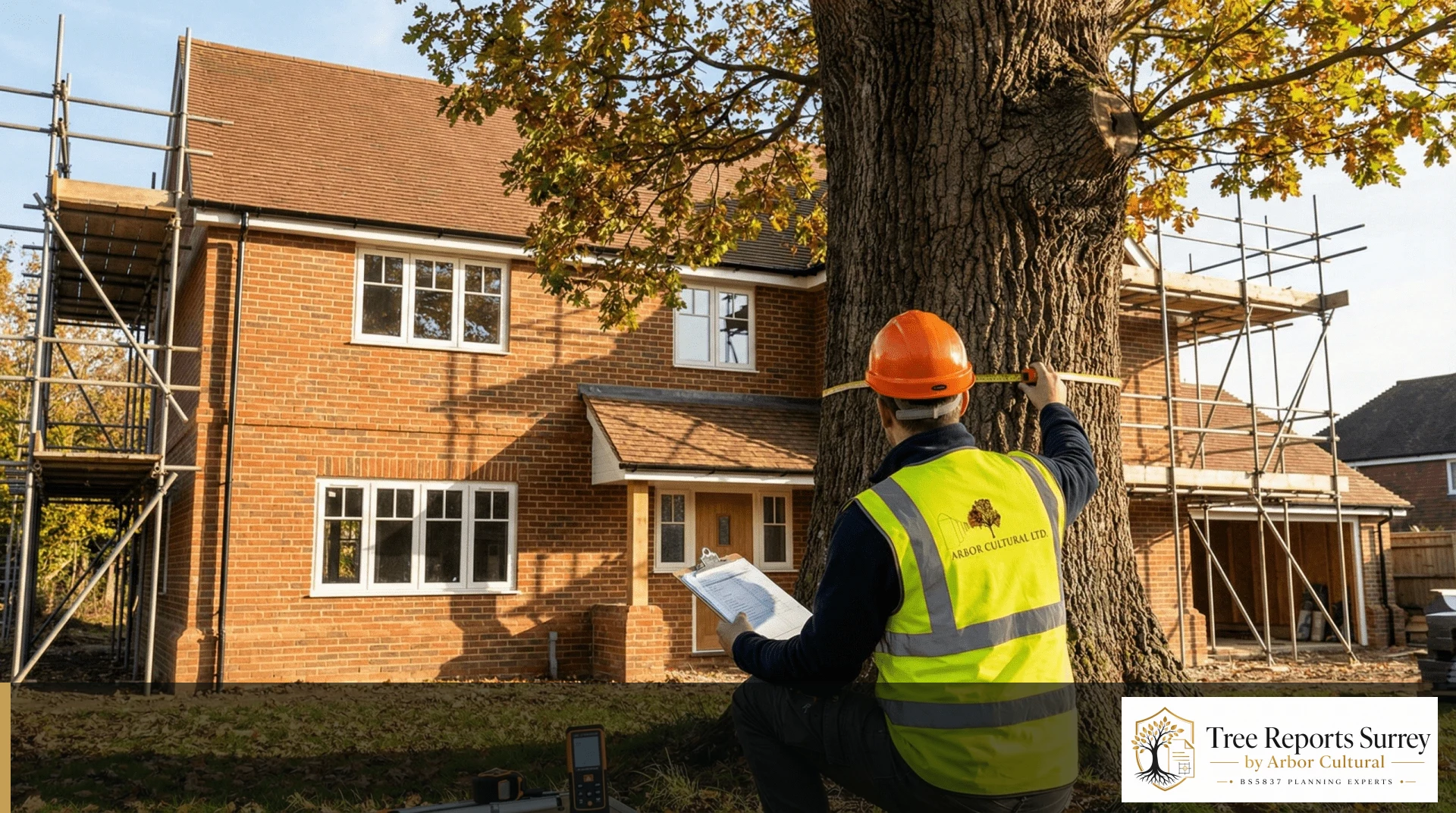
A drive or access can cause the tree problem even when the building is nowhere near the RPA. Excavation, level changes, compaction and site traffic all count, so we look at them as part of the actual scheme.
Already have a tree survey for the Wray Common site? Send it. We can first check whether the information remains suitable for the live design. If it does, there may be no reason to repeat the entire survey just because the project has moved on.
TPO and conservation-area controls sit alongside the BS5837 development process. If either applies to the Wray Common site, tell us. Tree quality under BS5837 and legal protection are different issues and should not be blurred together.
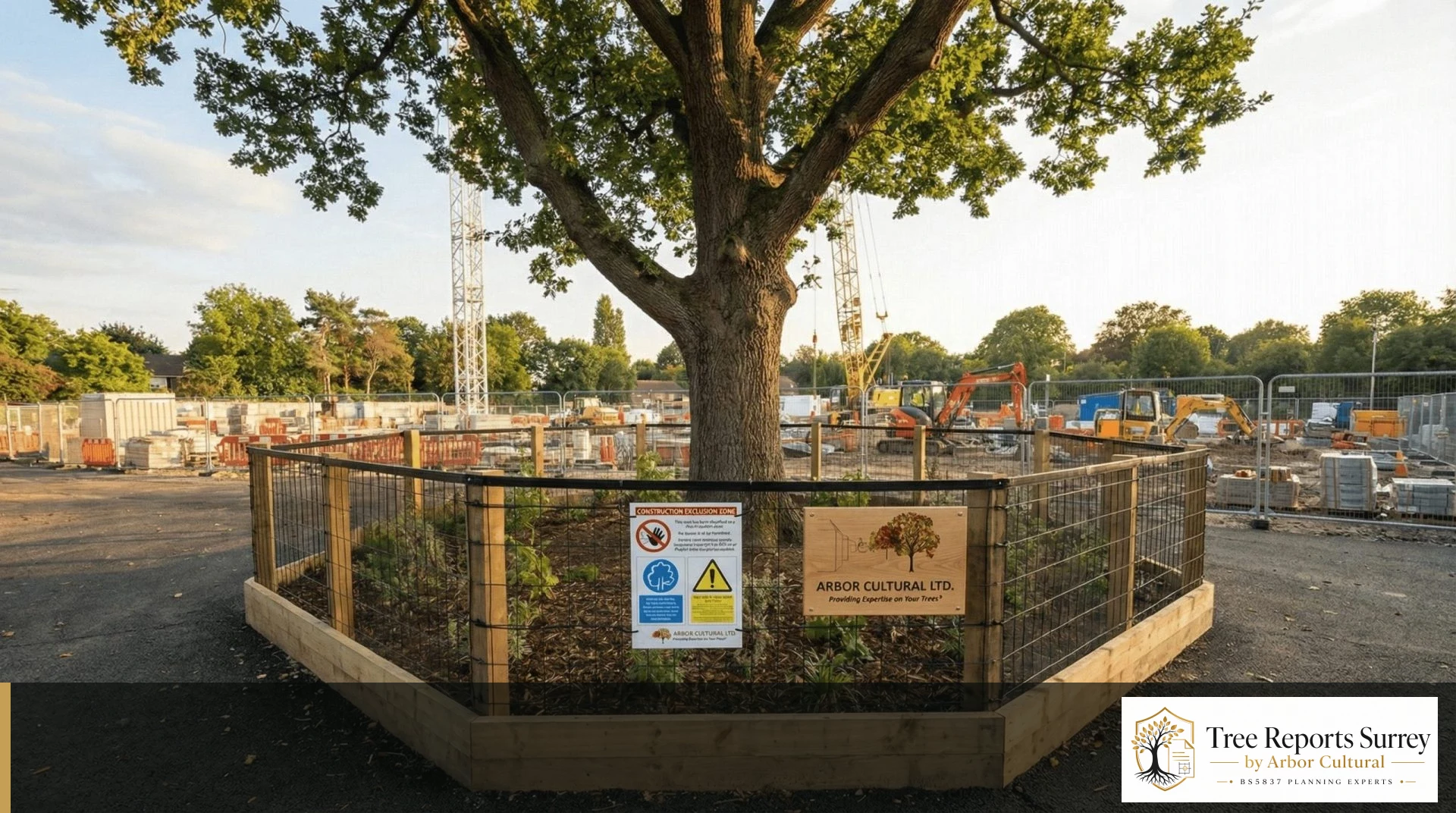
For pre-start work in Wray Common, the questions become practical quickly: where is the fencing, how does the contractor get in, where can materials sit and which operations need an arboriculturist present? The approved documents need to answer those questions clearly.
If the council has asked for tree information, send the exact wording.
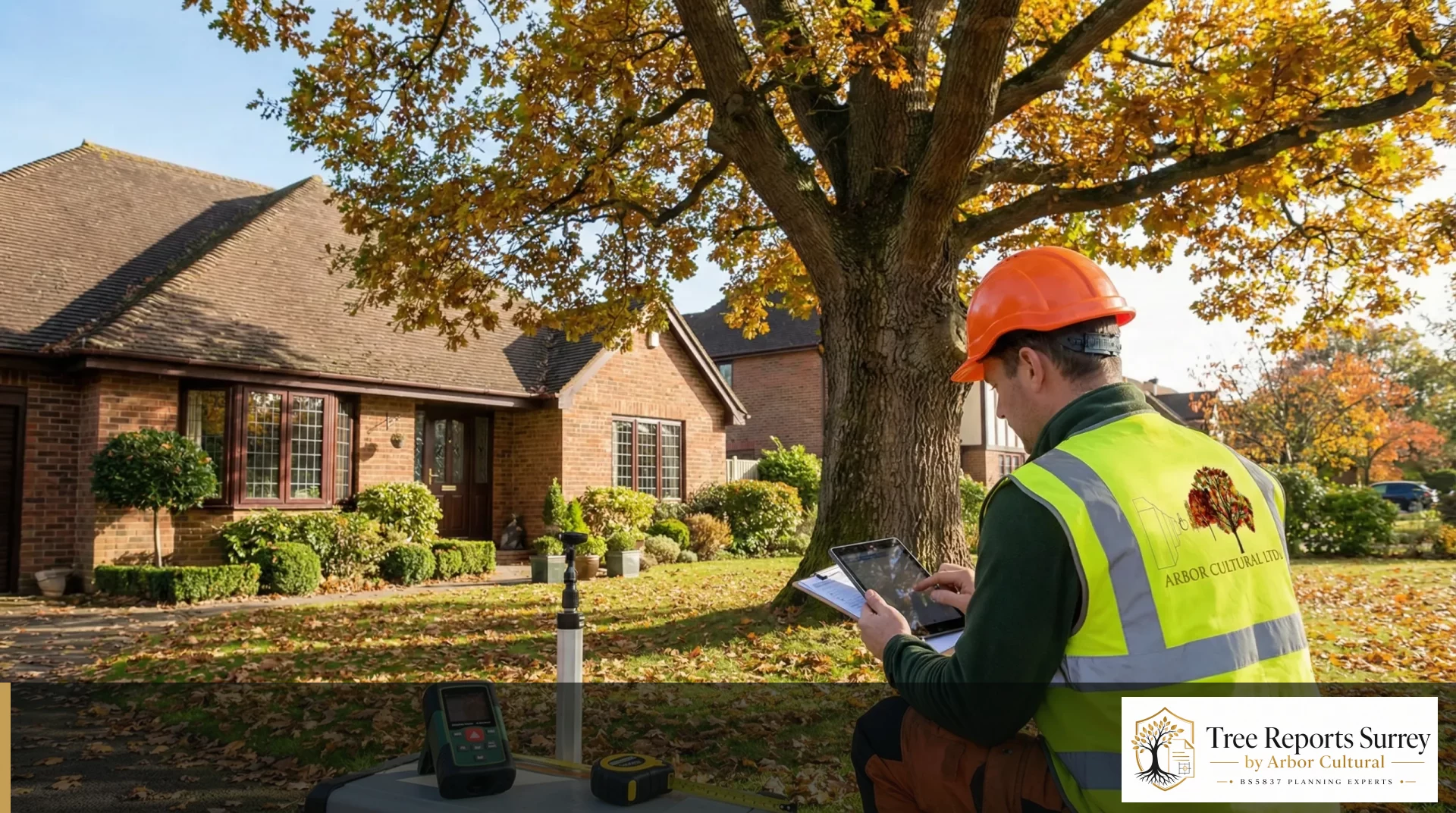
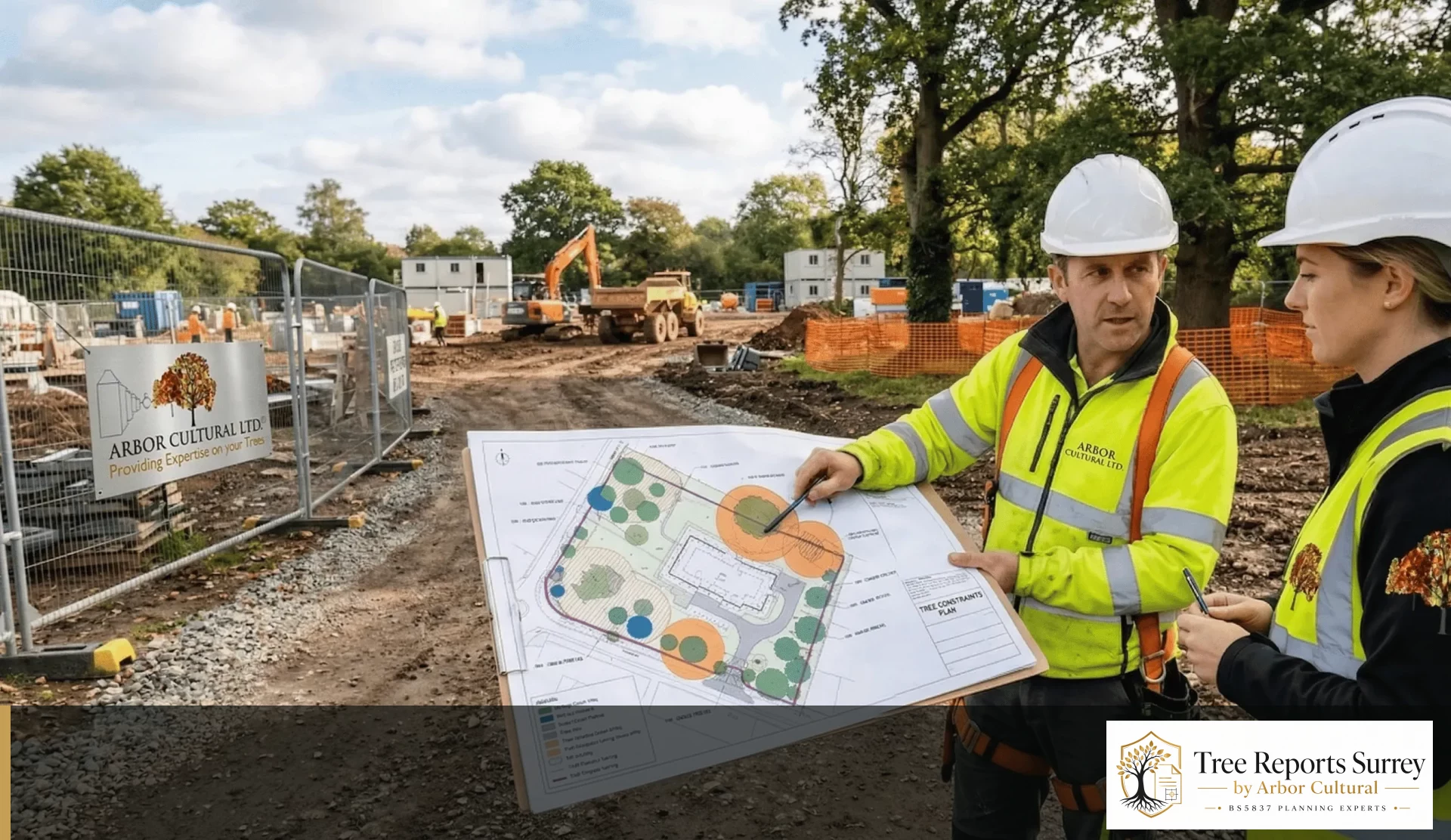
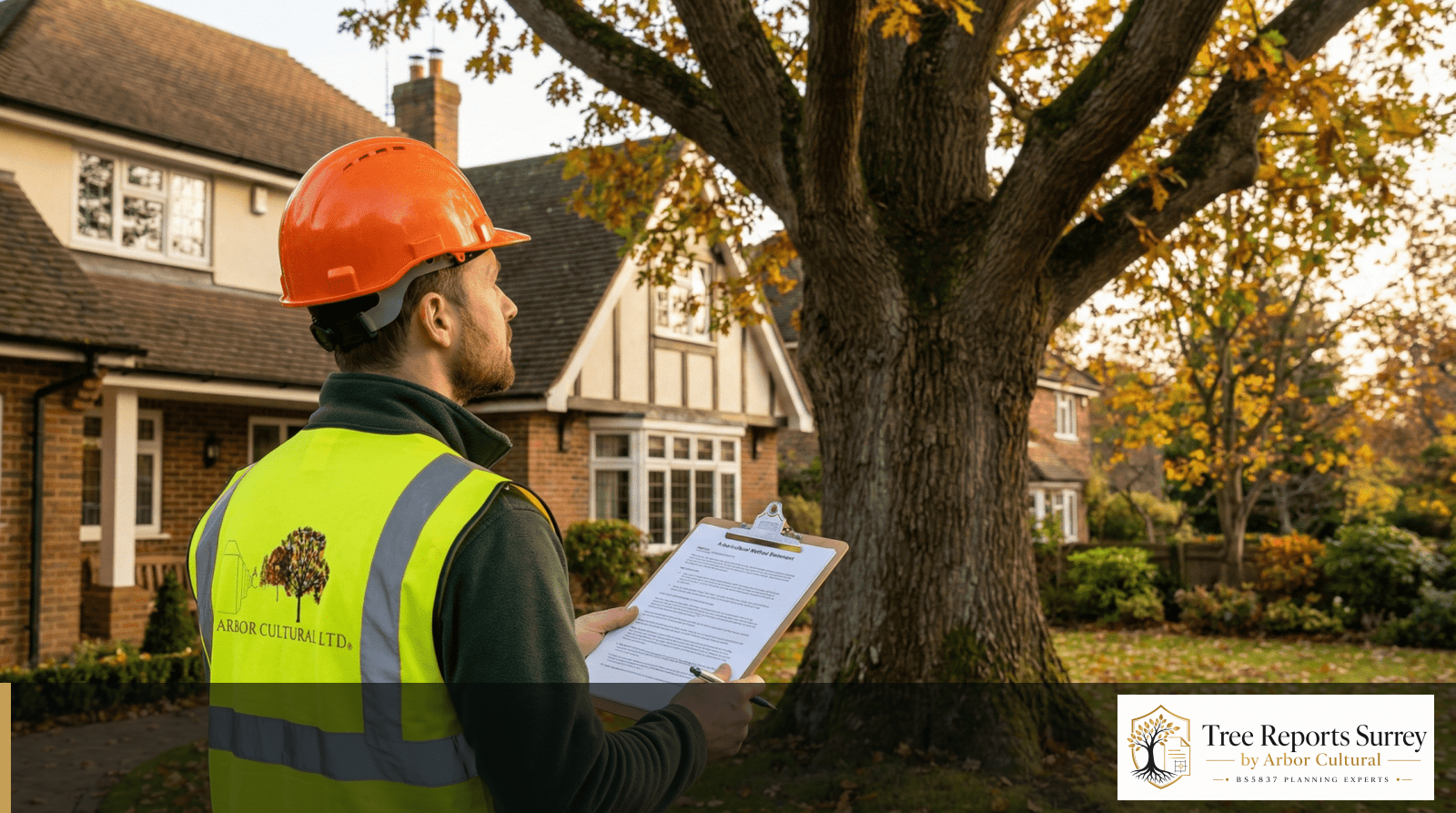
A request for a “tree report” does not always mean the same document. At the early design stage it may mean a BS5837 Tree Survey and Tree Constraints Plan. Once a planning layout exists, the missing piece may be an Arboricultural Impact Assessment. After permission, the authority may be asking for an Arboricultural Method Statement, Tree Protection Plan or supervision before work starts.
You do not need to make that decision yourself. Forward the email, validation request, tree-officer comment or planning condition and include the current drawings. We will review what is already available and explain the next useful step before you instruct.